More Than a Meal: How Food Pantries Restore Dignity and Stability
When many people think about a community food pantry, they picture shelves stocked with canned goods or volunteers handing out grocery boxes.
But for families experiencing food insecurity in Georgia, a food pantry often represents something much deeper: relief, stability, hope, and the reassurance that they do not have to navigate difficult seasons alone.
Food insecurity continues to impact communities across the state at alarming levels. According to Feeding America, more than 1.6 million people in Georgia face hunger each year, including nearly 500,000 children. That means approximately 1 in 7 Georgians, and 1 in 5 children, experience food insecurity. Families across the state are estimated to need more than $1.1 billion annually to fully meet their food needs.
The USDA defines food security as “access by all people at all times to enough food for an active, healthy life.” For many Georgia families, that stability has become increasingly difficult to maintain as grocery prices, housing costs, medical expenses, and transportation challenges continue to rise. Yet hunger is rarely just about food.
Food insecurity is often connected to larger challenges like unstable housing, healthcare barriers, transportation difficulties, or unemployment. That is why many organizations across Georgia are rethinking what food assistance should look like, moving beyond transactional aid toward models centered on dignity, relationships, and long-term stability.
How Community Food Pantries Help Families Find Stability
For many families, visiting a food pantry is not a long-term plan. It is a response to a difficult moment, like a lost job, a medical emergency, reduced work hours, or a car repair that suddenly shifts the entire household budget.
Community food pantries help create breathing room during these moments of crisis. Access to groceries or hot meals can ease immediate pressure and help families redirect limited financial resources toward housing, healthcare, childcare, or transportation. Food pantries can also become trusted spaces where people find additional support, encouragement, and connection.
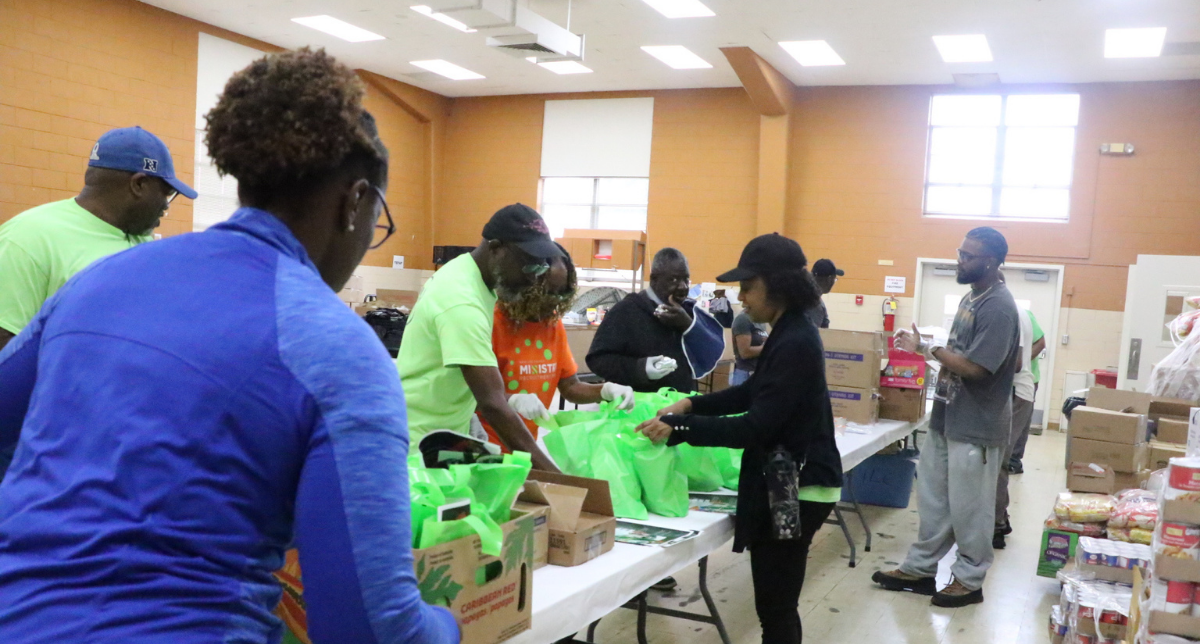
Here at New Life Community Alliance (NLCA), we often see neighbors arrive seeking one service and leave connected to several others. Someone visiting for food assistance may also discover career services, clothing support, educational programs, health resources, or referrals for housing assistance. That holistic approach matters because people deserve more than temporary relief. They deserve opportunities to move toward lasting stability.
Why Dignity Matters in Addressing Food Insecurity
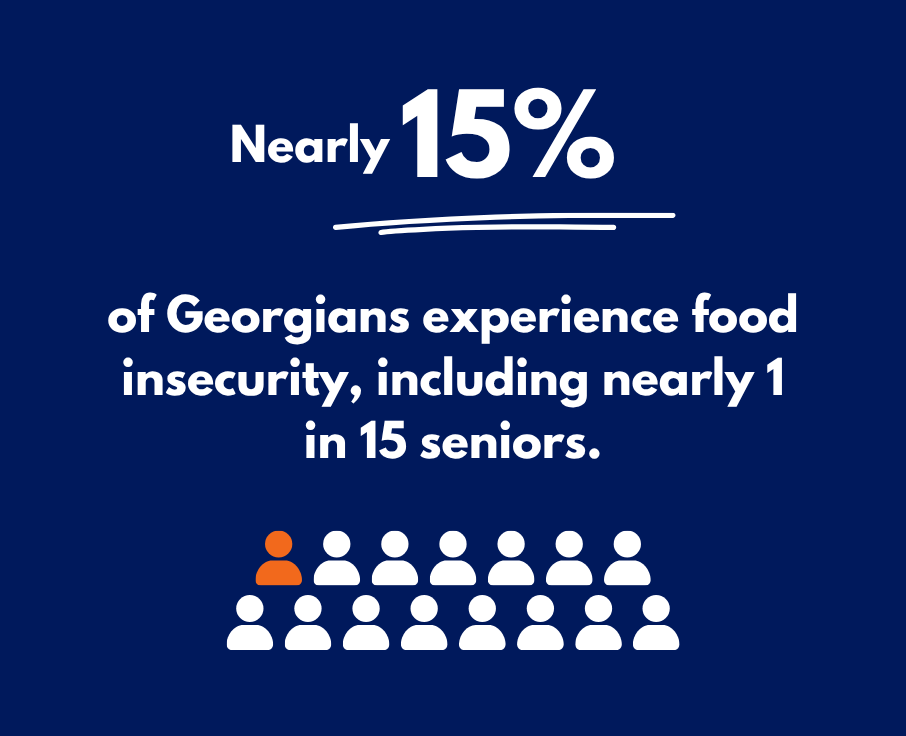
One of the greatest misconceptions about food insecurity in Georgia is that it only affects a small portion of the population or looks the same in every situation. In reality, many individuals facing hunger are working families, seniors, students, caregivers, or people navigating temporary setbacks. Hunger often exists quietly in communities people assume are thriving. According to the Atlanta Community Food Bank, nearly 15% of Georgians experience food insecurity, including nearly 1 in 10 seniors. Food insecurity also disproportionately impacts Black and Latino communities across the state, highlighting the broader systemic challenges many families face.
Often, the hardest part is not asking for help itself. It is the fear of judgment that can come with it. That is why dignity matters.
The way food assistance is offered can shape whether someone feels respected, welcomed, and supported during a vulnerable moment. A warm meal served with kindness, a volunteer who remembers someone’s name, or a conversation that helps a neighbor feel seen can have a lasting impact far beyond the groceries themselves.
At NLCA, we believe food assistance should never feel transactional. Through our Dignity Services programs, we work to create environments where people are treated with compassion and care while accessing practical support for everyday needs.
That support may include weekly hot meals, food pantry services, clothing assistance, free barber and salon services, and connections to additional community resources.
Food Insecurity in Georgia Continues to Rise
Food insecurity remains a significant issue throughout Georgia and metro Atlanta communities. While programs like SNAP provide important support, many families still fall into difficult gaps. According to the Atlanta Community Food Bank, more than half of Georgians experiencing food insecurity may earn above the federal SNAP eligibility threshold while still struggling to consistently afford nutritious food.
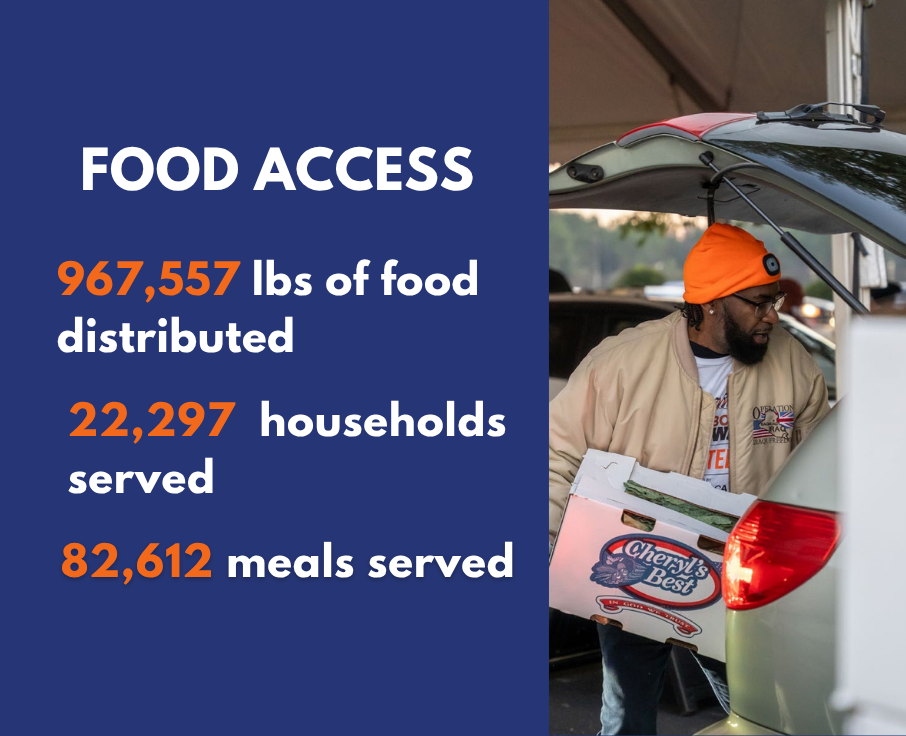
Organizations across the region continue working together to strengthen food access through partnerships, meal programs, mobile distributions, and collaborative support networks. In South DeKalb alone, the need continues to grow. In 2025, we distributed 967,557 lbs of food and served over 22,000 households through our Food Distribution Center. We also provided 82,612 meals to neighbors throughout the community.
Partnerships have played an important role in expanding that impact. In late 2025, the Fulton-DeKalb Hospital Authority launched a Food Security Collaborative designed to strengthen food access efforts across both counties by partnering with organizations serving food-insecure residents throughout the region.
These collaborations recognize an important truth: addressing hunger takes all of us.
How Volunteers and Donors Help Fight Hunger in Georgia
Every meal served and every grocery box distributed represents the generosity of people who choose to care for their community.
Volunteers help sort food, serve meals, welcome guests, organize pantry shelves, and create spaces where neighbors feel supported. Donors help ensure organizations can continue responding to rising needs with consistency and compassion.
For many families, that support arrives at exactly the right moment. While food assistance meets urgent needs today, it also helps build stronger communities tomorrow by reducing stress on families and creating pathways toward greater stability.
More Than a Meal
At its core, a community food pantry is about more than food. It is about restoring dignity during difficult moments. It is about helping neighbors feel seen instead of overlooked. It is about creating spaces where compassion and practical support work together to strengthen communities because no one should have to face hunger alone.
Whether through volunteering, donating, partnering, or simply sharing resources with someone in need, each of us has the ability to help build a more compassionate and food-secure Georgia.
If you would like to support our work serving families across South DeKalb, learn more about volunteering, donating, or partnering with New Life Community Alliance.